
Dahlonega is one of those North Georgia towns where several different trips fit inside the same weekend. You can spend the morning learning how a gold rush reshaped the region, walk to lunch on a historic public square, head into the hills for a winery or waterfall, and return downtown for live music after dark.
That range is what makes Dahlonega especially useful for first-time visitors. The town is compact enough to understand quickly, but the best experiences spread from the walkable downtown core into the Blue Ridge foothills. This guide covers 21 of the best things to do in Dahlonega, with enough practical context to help you decide what belongs on your trip without turning every stop into a separate itinerary.
If you only have one day, focus on the Public Square, one gold-rush attraction, and either a winery or a nearby outdoor stop. With a weekend, you can slow down, add a scenic drive or hike, and leave more room for local food, shopping, and live music.
Start with Dahlonega's historic downtown and gold-rush story
Dahlonega's identity is tied to the Georgia gold rush that began in the late 1820s. Downtown still puts that history in plain sight, from the old courthouse at the center of the square to the former U.S. Branch Mint site on the University of North Georgia campus. These stops work especially well together because several are within walking distance.
1. Walk the Historic Public Square
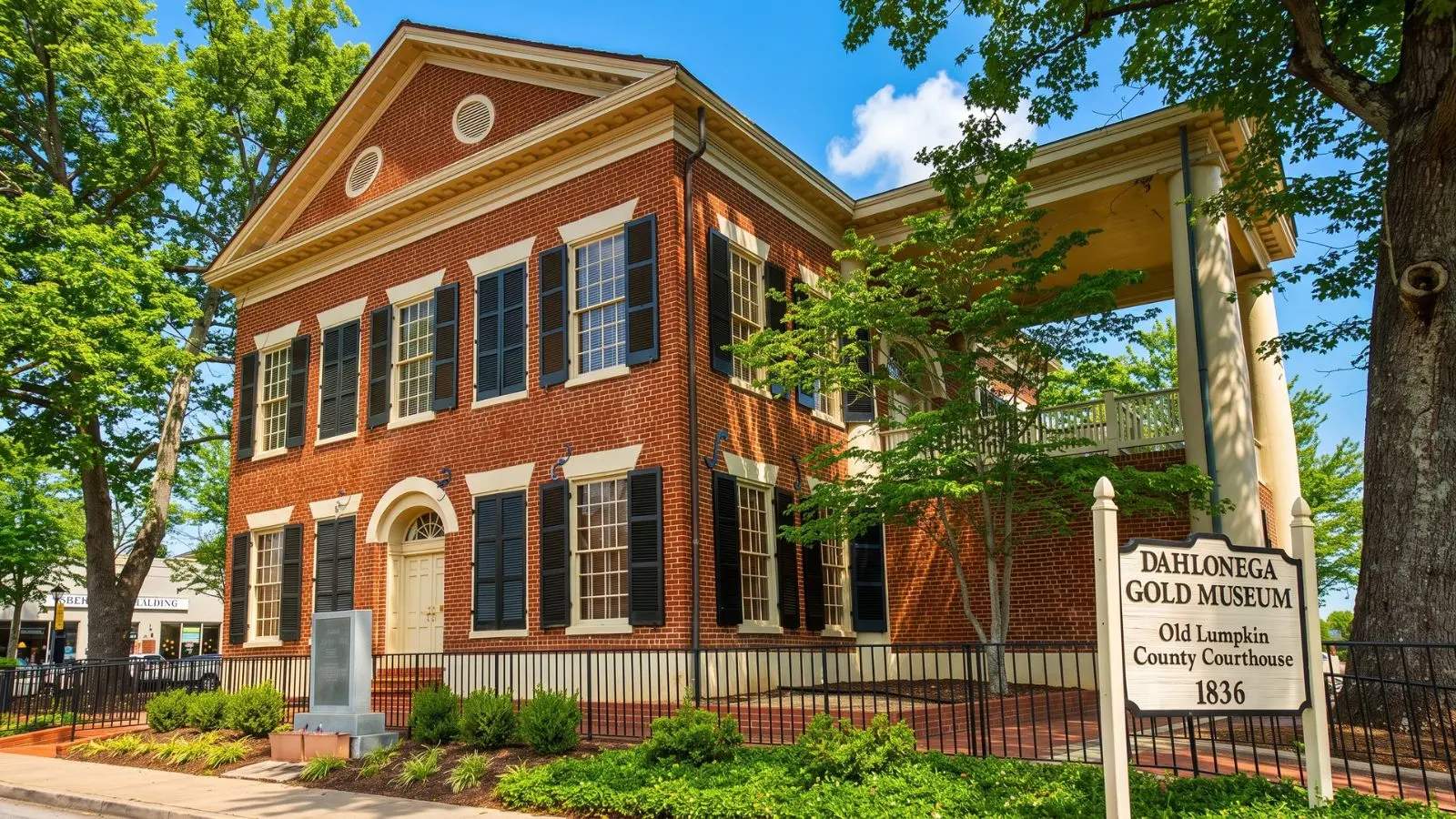
The Public Square is the best place to get oriented. The former Lumpkin County Courthouse stands at the center, while brick sidewalks lead past locally owned shops, galleries, some of the best restaurants in Dahlonega, tasting rooms, and historic commercial buildings. The downtown district is listed on the National Register of Historic Places, and the official visitors bureau says more than 100 small businesses operate in the downtown area.
Give yourself time to circle the square instead of treating it as a quick photo stop. You will see the town's gold-rush history, university influence, arts scene, and modern tourism economy all meeting within a few blocks. The official downtown guide is useful for current visitor information.
2. Visit the Dahlonega Gold Museum
Inside the 1836 courthouse, the Dahlonega Gold Museum State Historic Site tells the story of the mining boom that brought thousands of prospectors into the Cherokee Nation in North Georgia. Exhibits include Dahlonega-minted gold coins, mining equipment, a large gold nugget, and material about the U.S. Branch Mint that operated in town from 1838 until 1861.
This is the strongest first stop for understanding why Dahlonega exists in its present form. It also provides important context for the human cost of the rush, including its connection to Cherokee dispossession and the Trail of Tears. Some second-floor exhibits are not wheelchair accessible because of preservation restrictions in the historic courthouse, so check the Georgia State Parks site before your visit if accessibility is a concern.
3. Go underground at Consolidated Gold Mine
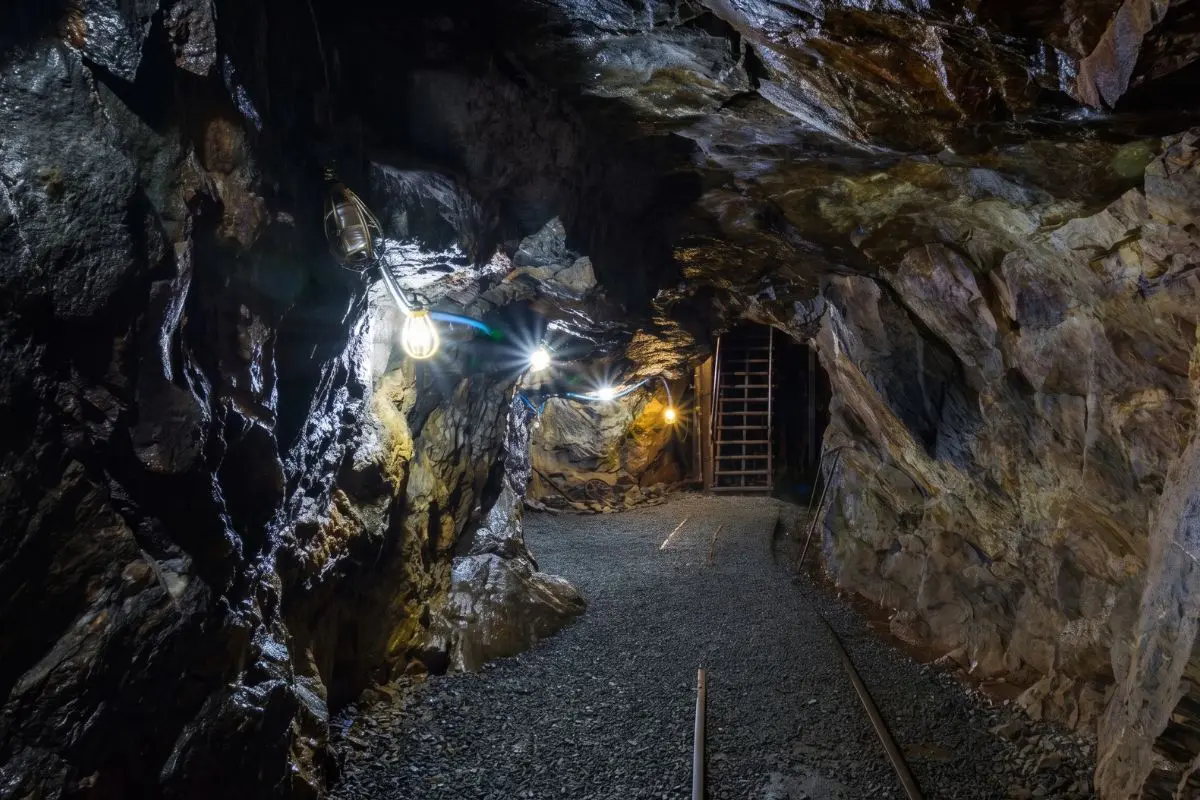
Consolidated Gold Mine offers the most immersive way to see Dahlonega's mining story below ground. Guided tours descend into historic tunnels in gold-bearing rock, where visitors learn how miners worked after the easy surface deposits had largely been exhausted. Gold panning and gem mining are also offered.
This stop is especially good for families, history-minded travelers, and anyone who wants a more physical experience than a museum visit. The underground environment can be cool, damp, and uneven, so wear practical shoes. Tours and operations can change, and busy periods may create waits. Check the mine's official website for current details.
4. Pan for gold at Crisson Gold Mine
Crisson Gold Mine offers a different mining experience. Rather than an underground tour, the focus is on hands-on panning, gemstone sifting, and an open-air collection of historic mining equipment. Its working stamp mill gives visitors a concrete look at how ore was crushed during later phases of the region's mining industry.
For families, Crisson and Consolidated are different enough that doing both can make sense if gold history is a main reason for the trip. If time is limited, choose Consolidated for the underground experience and Crisson for panning and machinery. Current admission options are listed on the Crisson Gold Mine website.
5. See the old U.S. Mint site at Price Memorial Hall
Walk toward the University of North Georgia campus and look for the gold-covered steeple of Price Memorial Hall. The building stands on the site of the former U.S. Branch Mint, which opened in 1838 to coin locally mined gold. The mint closed during the Civil War, and the original building later burned. Price Memorial Hall was completed on the site in 1880.
You do not need a long campus tour to appreciate the connection. Seeing the steeple after visiting the Gold Museum helps turn the mint from an abstract historical fact into a real place in the modern town. The City of Dahlonega's town history provides a concise overview of the site.
6. Find the Chestatee River Diving Bell in Hancock Park
One block off the square, Hancock Park holds one of Dahlonega's strangest surviving gold-rush artifacts. The Chestatee River Diving Bell was built in 1875 as part of an attempt to mine gold from the riverbed. The iron device was designed to create an air pocket for workers underwater.
Today it sits under a shelter at the edge of the park, where it is easy to inspect without committing to a formal tour. Hancock Park also has a pavilion, green space, and an all-abilities playground with a mining theme, making this an easy stop for families. The City of Dahlonega maintains current park information.
7. Hunt for the Bears Around the Square
For a lighter way to explore downtown history, look for the small bronze bears placed around the square. The self-guided Bears Around the Square walk uses ten bear figures to introduce people from Dahlonega's past, including figures tied to the university and local civic history.
It works particularly well with children because the search turns a history walk into a scavenger hunt, but adults will pick up stories they might otherwise miss. The Visitor Center offers a guide, and the official tour page explains the concept and current route.
Make time for shopping, food, wine, and the arts
Dahlonega is more than its mining history. Downtown has enough independent businesses to reward unhurried browsing, while the surrounding hills form one of Georgia's most important wine regions. Arts and Appalachian music add another layer that is easy to miss on a rushed day trip.
8. Browse the independent shops downtown
The blocks around the square mix gift shops, antiques, clothing, outdoor gear, specialty foods, toys, art, pottery, and locally themed goods. That variety makes shopping feel like part of exploring downtown rather than a separate retail stop.
A useful approach is to browse first and buy later. Walk the full square and nearby side streets, note the places that interest you, then return after lunch or a museum visit. It keeps the day from feeling rushed and helps you see more of the historic district. The Dahlonega Downtown Development Authority keeps a current shopping directory.
9. Step into Dahlonega's galleries and studios
Visual art fits naturally into a downtown walk. Local galleries show painting, photography, jewelry, pottery, and other craft work, and some spaces combine art with wine tasting or artist demonstrations. The University of North Georgia also contributes exhibitions and public art to the broader arts scene.
This is a good option when rain changes outdoor plans or when you want a quieter hour between larger attractions. It also gives the town a stronger sense of place than a trip built only around mining and wine. Check the visitors bureau's gallery overview for current venues.
10. Plan a meal around the square
Dahlonega's dining scene ranges from casual counter-service spots to restaurants suited to a slower dinner, with options downtown, along the river, and at winery properties. For a first visit, lunch or dinner near the square is the easiest way to keep your day moving because you can walk directly from museums and shops to your meal.
Do not try to turn one meal into a survey of every local restaurant. Instead, choose based on the rest of your day: quick and casual before a mine tour, a longer dinner after a hike, or vineyard dining during a wine-focused afternoon. Restaurant hours and reservation policies change, so confirm directly before making a special trip.
11. Spend an afternoon in Dahlonega wine country
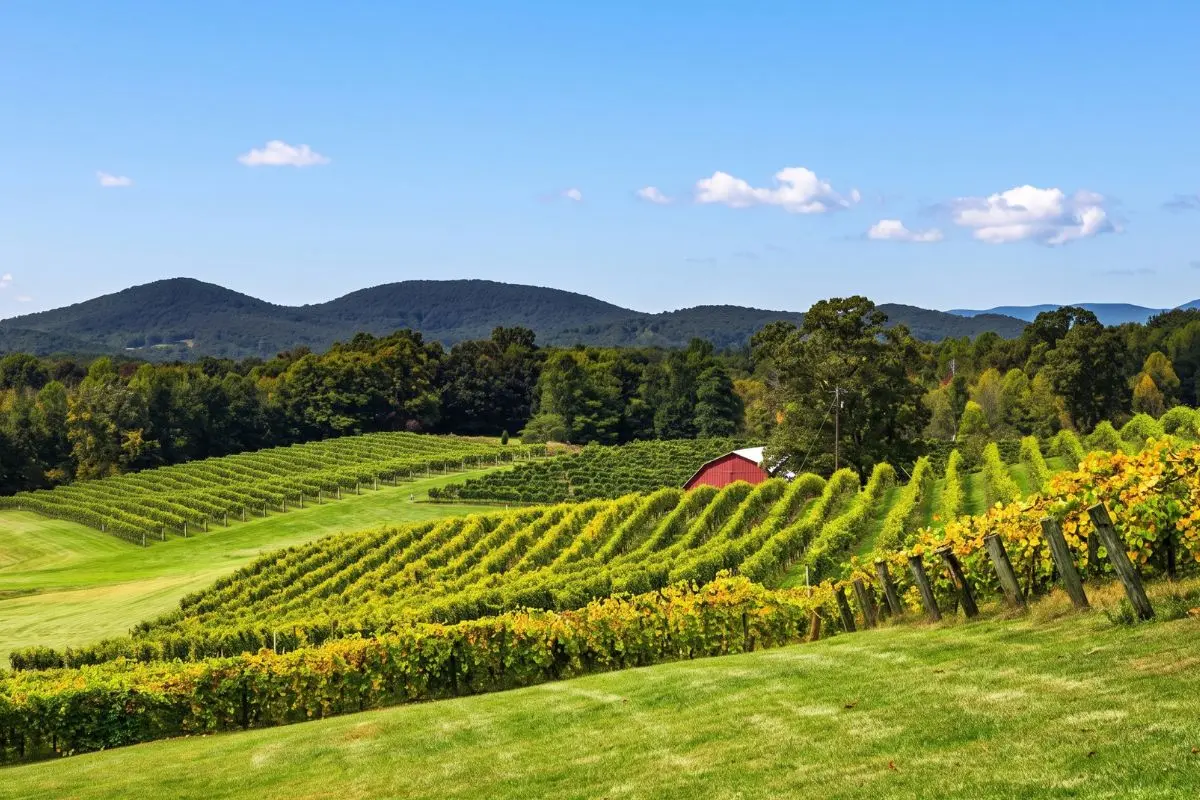
Wine is one of the clearest ways Dahlonega differs from many other Georgia mountain towns. The Dahlonega Plateau is a federally recognized American Viticultural Area covering parts of Lumpkin and White counties. The Alcohol and Tobacco Tax and Trade Bureau established the 133-square-mile AVA in 2018, giving growers and wineries a defined geographic identity tied to the region's growing conditions.
Visitors can choose from multiple vineyard properties with mountain views, tastings, food, live music, and special events. Some require more planning than others, especially on busy weekends. If wine is central to your trip, allow a half day rather than squeezing a winery between downtown stops. The official Dahlonega winery guide is the best starting point for current options.
12. Listen for Appalachian music on the square
Dahlonega's mountain culture is easiest to experience when musicians gather informally. The recurring Appalachian Jam brings pickers, singers, and listeners together around the historic square during the warmer months, while restaurants, wineries, and local venues host additional live music.
Spring also brings the Bear on the Square Mountain Festival, a community celebration of Southern Appalachian music, traditional crafts, storytelling, and heritage. The festival grew from a real 1996 incident involving a bear cub in a downtown tree and began the following year. If your trip is not during the festival, the regular jams still offer a good way to hear the musical tradition outside a staged attraction.
13. Catch a show at the Historic Holly Theatre
The Holly Theatre opened in 1948 and later returned to life as a performing arts venue after years of community-led restoration. Today its calendar can include musicals, concerts, films, comedy, and other performances.
A show here can give an overnight trip a stronger evening plan than simply returning to the hotel after dinner. It also adds a piece of twentieth-century Dahlonega history to a downtown otherwise defined by the nineteenth century. Performance schedules change throughout the year, so check the current Holly Theatre information before building a night around it.
Get outside in the North Georgia mountains
Dahlonega works well as a base for waterfalls, forest trails, river trips, and scenic mountain roads. These experiences require a car and more weather awareness than downtown attractions, but they are a major reason to stay longer than a few hours.
14. Walk the loop at Lake Zwerner
Lake Zwerner, also known as Yahoola Creek Reservoir, sits only a few minutes from downtown and offers one of the easiest ways to add nature to a town-focused trip. A roughly 3.2-mile loop circles the reservoir, and the area also has picnic spots, fishing access, and a launch for nonmotorized boats.
Because the reservoir supplies drinking water, swimming and wading are prohibited. That makes this a walking, fishing, paddling, and picnic stop rather than a swimming hole. The City of Dahlonega's reservoir page is the best place to check current rules.
15. See Dicks Creek Falls
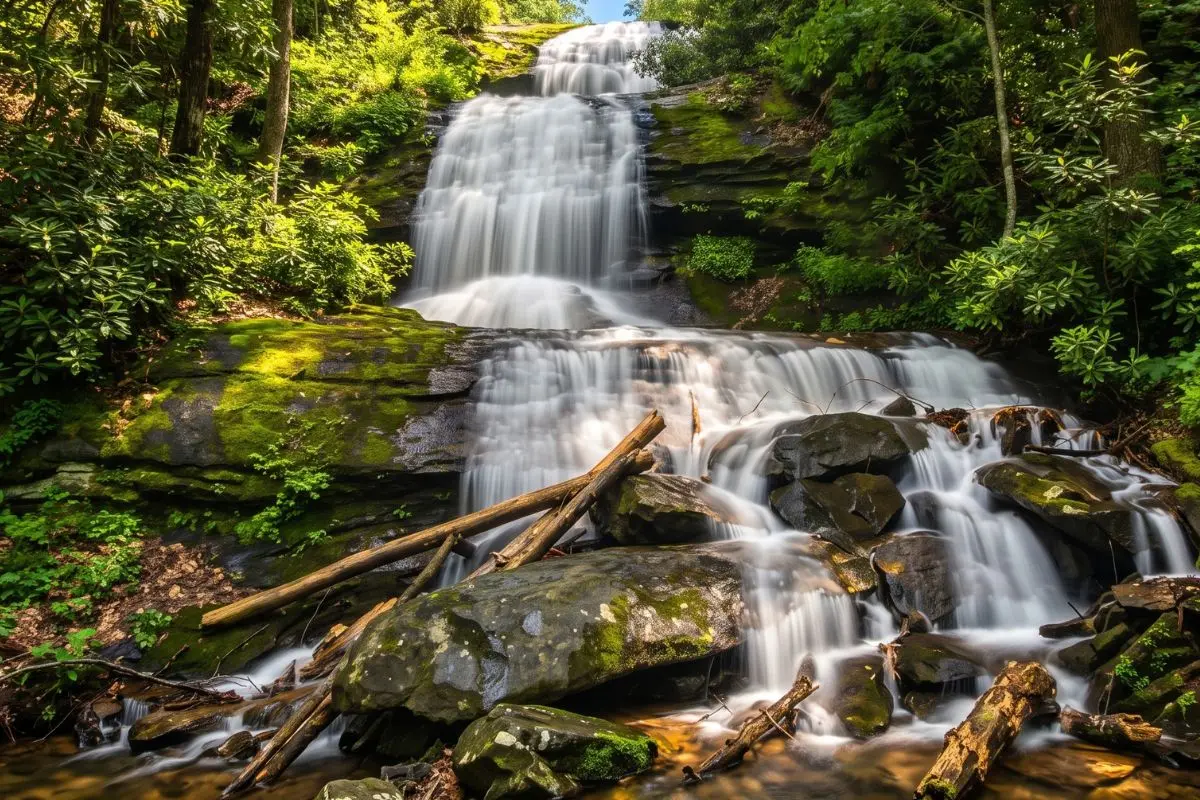
Dicks Creek Falls is a strong choice when you want a waterfall without committing to a long mountain hike. The falls sit in the Chattahoochee National Forest north of Dahlonega, below the meeting of Dicks Creek and Waters Creek. The surrounding shoals make the setting feel broader than a single viewpoint.
Use extra care around wet rock. The official visitor information specifically warns against diving into the pools. Road and forest conditions can change, so check conditions before leaving town. Dicks Creek Falls pairs naturally with a scenic drive through the mountains or another northern Lumpkin County stop.
16. Hike to the falls at DeSoto Falls Scenic Area
DeSoto Falls gives you more of a forest walk than Dicks Creek Falls. Trails from the recreation area follow Frogtown Creek toward separate lower and upper falls, letting you choose a shorter outing or continue farther upstream.
This is a good fit for travelers who want a waterfall hike without using most of the day. It also works well in spring, summer, and fall, when the forest itself becomes part of the experience. Trail conditions, parking, and seasonal access can change, so review current recreation information before setting out. Dahlonega's waterfall guide is a useful planning overview.
17. Hike a piece of the Appalachian Trail
Dahlonega is closely connected to Appalachian Trail country. Springer Mountain marks the trail's southern terminus, and local access points make it possible to sample the experience without planning a backpacking trip. The Woody Gap and Preacher's Rock area is one of the visitor bureau's suggested local trail outings, with Blue Ridge views as the reward.
Choose a route that matches your time and fitness instead of chasing the most famous trail name. Mountain weather, road access, and trail conditions matter, especially in winter or after storms. The local trail guide provides a useful starting list.
18. Take a scenic drive through the mountains
A drive north of town can connect waterfalls, wooded valleys, mountain gaps, lakes, and small communities without requiring a full hiking day. The Lumpkin-Union routes promoted by the visitors bureau pass places such as Dicks Creek Falls, DeSoto Falls, Lake Winfield Scott, Woody Gap, Suches Valley, and Neels Gap.
Fall gets the most attention, but spring green and clear winter views can be just as rewarding. Mountain roads are curving, and cyclists are common on some routes, so build in more time than the mileage suggests. Use the official scenic-drive guide as a framework rather than trying to improvise every back road.
Explore more of Georgia
Build a bigger small-town road trip
If Dahlonega has you thinking about another mountain town, historic square, or weekend route, the Georgia Small-Town Road Trip Guide can help you keep planning beyond this stop.
See the Georgia Road Trip Guide
19. Paddle or float the Chestatee River
The Chestatee River adds a different kind of outdoor day. Sections near Dahlonega can be explored by canoe, kayak, or tube, with outfitters serving the area and routes that include shoals and mild rapids. Water level and conditions can make a big difference, so this is an activity to plan around the day rather than assume will always run the same way.
Ask an outfitter which route matches your experience and how current water levels affect the trip. Life jackets and basic river safety matter even on easier sections. If you want a lower-commitment water outing, Lake Zwerner is the simpler alternative.
Time your trip for Dahlonega's signature events and seasons
The town changes noticeably during its biggest annual events. These weekends can be crowded, but they also show Dahlonega at its most communal. If your dates are flexible, choose an event because it genuinely matches your interests rather than simply because it is famous.
20. Experience Gold Rush Days in October
Gold Rush Days is Dahlonega's major fall festival and one of the clearest expressions of how the town still uses its mining history as a community identity. The festival is traditionally held on the third weekend in October and fills the historic district with arts and crafts vendors, food, a parade, and other community events.
This is not the weekend for a quiet, spontaneous visit to the square. Expect heavier traffic, busy parking, and large crowds. It is a better choice for travelers who want festival energy and do not mind planning ahead. Check the official Gold Rush Days site for the current schedule.
21. See downtown during Old Fashioned Christmas
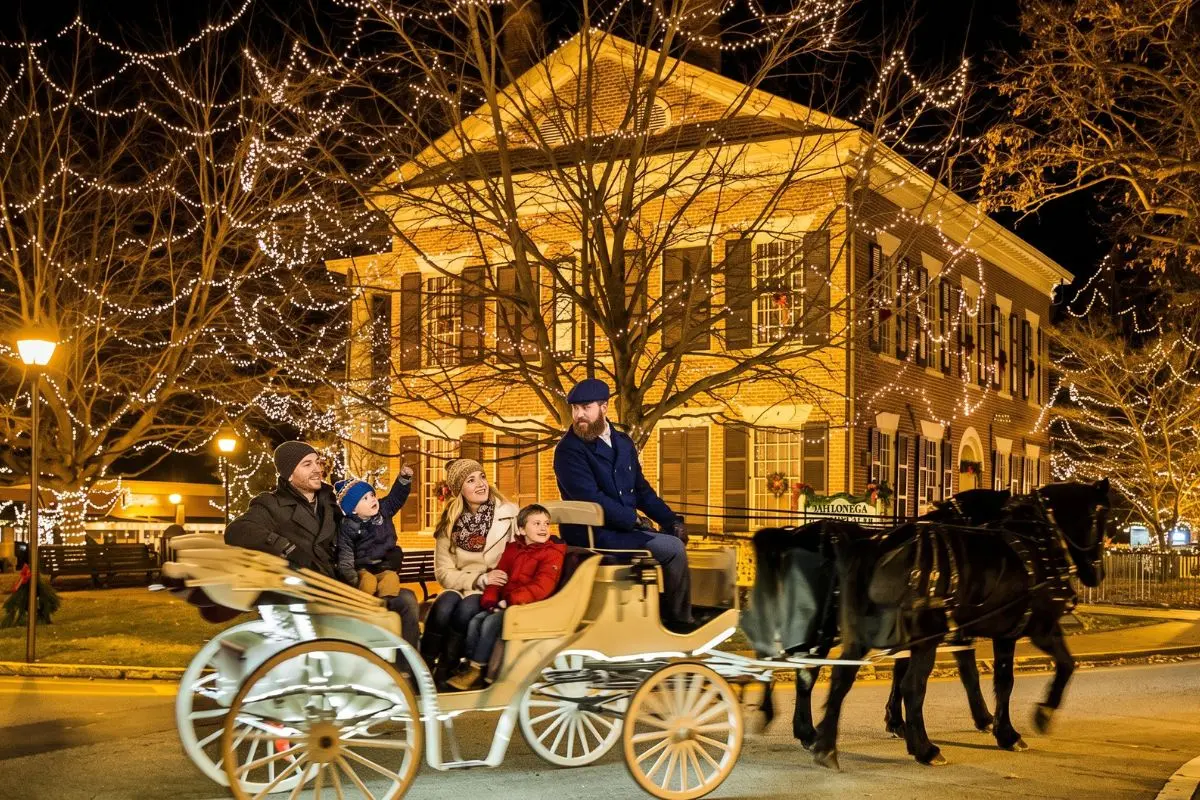
During the Christmas season, lights and decorations turn the Public Square into one of Dahlonega's strongest seasonal draws. The annual Old Fashioned Christmas program typically begins in late November and extends well beyond a single weekend, with traditions that can include the lighting of the square, Santa visits, a parade, shopping, and holiday events.
Weekend evenings can be especially busy, so a weekday visit may be better if your main goal is to see the lights and browse downtown at a slower pace. Holiday programming changes from year to year. Use the official Dahlonega Christmas site for current dates and parking information.
How to plan your time in Dahlonega
Downtown is compact and works well on foot, but the wineries, waterfalls, river access points, and mountain trailheads are spread out. In practice, most visitors who want more than the square will need a car. Parking downtown can also become more competitive during fall weekends, festivals, and the Christmas season.
For a day trip, a realistic combination is the Gold Museum and square in the morning, lunch downtown, then one major afternoon choice such as a mine tour, winery, Lake Zwerner, or nearby waterfall. Trying to combine several of the best Dahlonega wineries, a long hike, both gold mines, and a full downtown visit in one day will turn the trip into a checklist.
A weekend gives Dahlonega more room to make sense. One day can center on history and downtown, while the other can focus on wine country or the mountains. Families may prefer gold panning, the Bears Around the Square hunt, Hancock Park, and an easy outdoor stop. Couples often have more reason to build around a winery, dinner, a scenic drive, and an evening performance.
Season matters, too. Spring brings Appalachian music and mountain greenery. Summer works well for rivers and shaded waterfalls. Fall combines foliage, winery scenery, hiking, and Gold Rush Days, but also brings some of the heaviest crowds. The Christmas season creates a completely different downtown atmosphere. Quieter winter periods can be rewarding for travelers who care more about history, food, and uncrowded streets than a full event calendar.
Dahlonega is at its best when you let the town and mountains share the trip. Start with the square so the gold-rush story has context, then choose the vineyard, trail, waterfall, river, meal, or festival that best fits the way you like to travel. That balance is what turns Dahlonega from a quick North Georgia stop into a destination worth giving more time.