
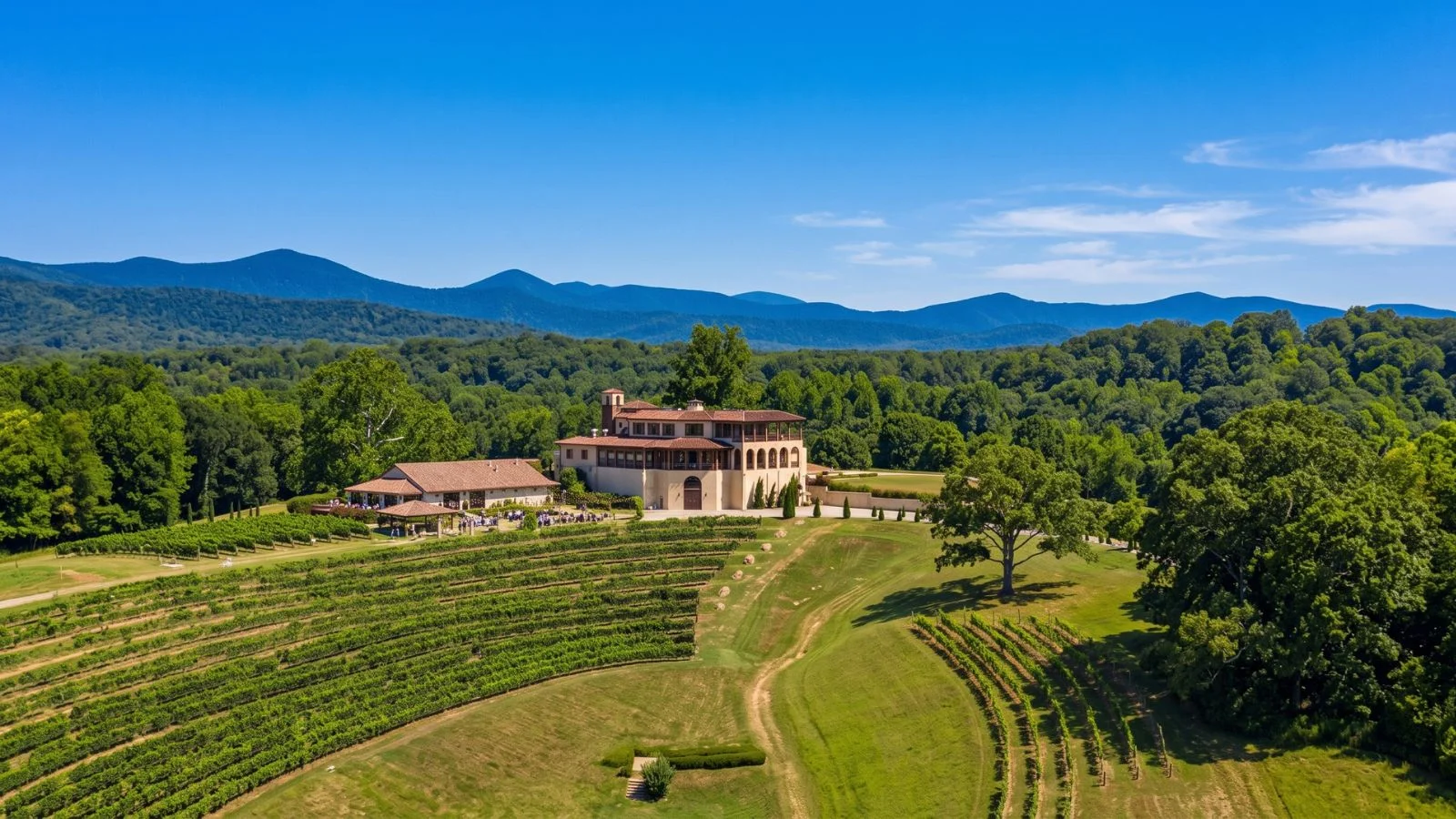
Dahlonega wine country is compact enough for a weekend, but the wineries are different enough that choosing well matters. Some are built around sweeping mountain scenery. Others make the meal part of the destination, lean into a working-farm atmosphere, or put the winemaking itself front and center. The best choice depends less on finding one universal winner and more on matching the winery to the kind of afternoon you want.
For the shortest version: choose Kaya Vineyard & Winery for panoramic mountain views, Montaluce Winery & Restaurant when food is a major part of the plan, Wolf Mountain Vineyards & Winery for a polished couples outing, Three Sisters Vineyards for a relaxed first tasting, Doghobble Wine Farm for a casual group or family outing, and Accent Cellars when you want to stay close to downtown. This guide explains the tradeoffs, including which stops feel most like estate vineyards and what the federally recognized Dahlonega Plateau AVA actually tells you about the wine.
Quick picks for Dahlonega wineries
These are practical starting points rather than permanent rankings. Winery programs, menus, reservation rules, and group policies can change, so check each winery's official site before building a day around a specific meal or tasting format. Drive times below are planning estimates from Dahlonega's Historic Public Square and can vary with the route and traffic.
| Winery | Best fit | Approx. drive from the Square | Experience |
|---|---|---|---|
| Kaya Vineyard & Winery | Mountain views | 15 to 20 minutes | Large estate vineyard on a high ridge |
| Montaluce Winery & Restaurant | Food and special occasions | About 15 minutes | Estate winery with destination dining |
| Wolf Mountain Vineyards & Winery | Couples and a polished wine-country day | 10 to 15 minutes | Mountaintop estate with tasting and dining |
| Three Sisters Vineyards | First-time wine visitors | 15 to 20 minutes | Relaxed family farm winery and vineyard |
| Frogtown Cellars | Wine-focused visitors | About 20 minutes | Estate-minded winery with vineyard views |
| Cavender Creek Vineyards & Winery | Rustic atmosphere | 10 to 15 minutes | Homey tasting room, vines, barn, and donkeys |
| Doghobble Wine Farm | Casual groups and families | About 10 minutes | Working wine farm with two visitor spaces |
| Accent Cellars | Easy access from downtown | About 3 minutes | Winery and tasting room using sourced fruit |
What the Dahlonega Plateau AVA actually means
Dahlonega is not simply a convenient label for a corner of North Georgia wine country. The Dahlonega Plateau is an official American Viticultural Area, or AVA. The Alcohol and Tobacco Tax and Trade Bureau established the 133-square-mile area in 2018 in portions of Lumpkin and White counties. TTB creates AVAs around grape-growing regions with defined boundaries and geographic or climatic features that distinguish them from surrounding areas.
That distinction matters because an AVA is about origin. Under TTB's wine-labeling rules, at least 85 percent of a wine labeled with an American viticultural area must come from grapes grown within that AVA, along with other production requirements. The designation gives a bottle labeled “Dahlonega Plateau” a more specific geographic meaning than a broad phrase such as “Georgia wine.”
It is not a government quality score, and it does not mean every bottle made by a Dahlonega winery qualifies for the AVA name. A winery can make excellent wine from fruit grown elsewhere. Accent Cellars is the clearest local example: the winery intentionally sources grapes from Georgia and beyond, so it offers a different kind of experience from an estate vineyard built around grapes growing outside the tasting-room windows.
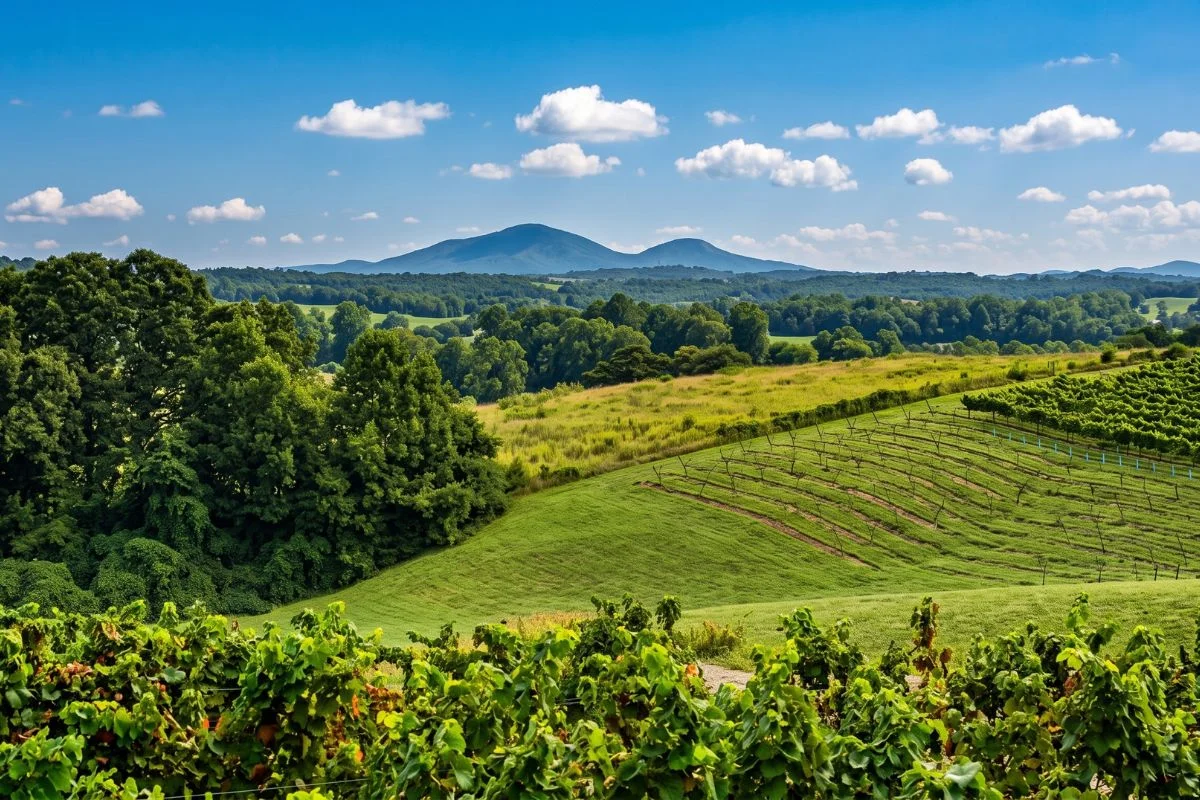
For visitors, the AVA is most useful as a way to understand why the vineyard landscape matters. The plateau's elevation, slopes, drainage, sun exposure, and mountain climate all shape grape growing. If that connection between place and wine is important to you, prioritize estate-focused stops such as Kaya, Wolf Mountain, Three Sisters, Frogtown, or Doghobble and ask which current wines are made from estate or Dahlonega Plateau fruit. You can also read TTB's notice establishing the Dahlonega Plateau AVA for the federal background.
The best wineries in Dahlonega, by type of visit
Kaya Vineyard & Winery: best for mountain views
Kaya Vineyard & Winery is the strongest first choice when the view is part of the reason you came. Its winery and tasting room sit on a ridge about 1,600 feet in elevation, with large windows and a covered deck facing the vineyard and layered mountain scenery. The setting feels unmistakably rural and elevated, which is exactly what many first-time visitors picture when they imagine a North Georgia wine-country afternoon.
Kaya is also more than a scenic tasting stop. The winery says its wines are made primarily from estate-grown grapes, with European, Italian, and American varieties planted on the property. That makes it a useful place to connect the scenery with the agricultural side of the region instead of treating the vines as a backdrop.
Choose Kaya if: you have time for only one vineyard and want the broadest combination of mountain scenery, estate vines, a substantial tasting-room setting, and an easy sense of being “out in wine country.” It also works well for a group with different levels of wine interest because the property itself is part of the experience. Check current group and reservation guidance before arriving with a larger party.
Montaluce Winery & Restaurant: best for food and special occasions
Montaluce Winery & Restaurant is the easiest recommendation when the meal matters as much as the tasting. The estate has two distinct dining concepts: Le Vigne, which focuses on seasonal upscale-casual dining and wine service, and Trattoria di Montaluce, which leans toward rustic Italian dishes such as handmade pasta and wood-fired pizza. That depth gives Montaluce a different role from wineries where food is limited to small plates or a weekend menu.
The estate also offers more structured ways to learn. Its current “Wine 101” program is specifically described as beginner-friendly and combines a production-room visit, vineyard overview, and guided tasting. Standard tastings at Le Vigne are designed as a slower experience rather than a quick flight, so Montaluce makes more sense when you can give it a meaningful block of time.
Choose Montaluce if: you are planning a date, birthday, anniversary, or one-stop afternoon where you want wine and a real meal in the same place. Make restaurant reservations when appropriate and review the winery's event calendar, since private events can affect tasting-room availability.
Wolf Mountain Vineyards & Winery: best for couples
Wolf Mountain Vineyards & Winery combines the elements that work especially well for a couples outing: a mountaintop setting, a fieldstone winery, estate vines, tasting options, and seated dining. The vineyard sits around 1,800 feet in elevation, and the winery's terraces and hillside setting open toward the Southern Appalachian foothills.
Wolf Mountain has a more polished, classic wine-country feel than the deliberately homey atmosphere at Cavender Creek or the working-farm character at Doghobble. It is a good fit when you want to dress up a little, linger over lunch or brunch, and make one winery the centerpiece of the day. Its red-wine program is tied closely to estate plantings that include Cabernet Sauvignon, Syrah, Mourvedre, Tannat, Malbec, Touriga Nacional, and other varieties suited to its slopes.
Choose Wolf Mountain if: you want a scenic tasting paired with a more structured dining experience. Dining reservations and tasting policies differ by party size, so confirm the current setup before you go, especially on busy weekends.
Three Sisters Vineyards: best for first-time wine visitors
Three Sisters Vineyards is a strong first winery for someone who wants the vineyard experience without a lot of ceremony. It identifies itself as Dahlonega's first family farm winery and the founding winery of the Dahlonega Plateau. The 180-acre estate has an active farm feel, a rustic tasting room built around a handcrafted cherry-wood bar, local folk art, patios, and views across the vines.
The tasting format is especially approachable. Visitors can select wines from a rotating estate list rather than being locked into one preset flight, which makes it easier for a newcomer to say, “I usually like dry whites,” or “I want to understand reds,” and build from there. Staff can help steer those choices without turning the stop into a classroom.
Choose Three Sisters if: you want a relaxed introduction to estate-grown Dahlonega wine in a place that still feels like a farm. It is also a good contrast to the larger destination-style properties because the agricultural identity is easy to see. Check the official visit page for current tasting and tour options.
Frogtown Cellars: best for wine-focused visitors
Frogtown Cellars is a good fit for travelers who are most interested in what is in the glass. The property presents itself first as a working winery and vineyard, with Dahlonega Plateau estate wines at the center of the experience. The tasting room and covered deck look across the vines toward the North Georgia mountains, so you still get the scenery without losing the wine-first focus.
Frogtown also offers food, including an Italian bistro on selected days and charcuterie more broadly, which can make it an easy midday stop. The important distinction is that the culinary side supports the tasting rather than defining the entire visit in the way it can at Montaluce.
Choose Frogtown if: you are curious about estate and AVA wines, want to ask questions about winemaking, and would rather compare bottles than simply choose the property with the biggest deck. Review the current bistro schedule before counting on a full meal.
Cavender Creek Vineyards & Winery: best atmosphere
Cavender Creek Vineyards & Winery deliberately aims for a “guest in our living room” feeling. Comfortable tasting-room furniture, weekend music, an old barn, vineyard scenery, rental cottages, and the property's memorable donkeys give it a warmer, more informal personality than the grander estates.
This is the stop for travelers who care about character as much as a formal tasting. Seasonal light meals and snacks are available, but Cavender Creek does not position itself as a full restaurant. That makes it better for an easy glass-and-conversation stop than a long destination lunch.
Choose Cavender Creek if: you want a rustic, homey winery where the setting feels personal rather than resort-like. One important planning note is that the winery currently limits guests to age 16 and older and does not allow pets except qualifying service animals. Because policies can change, families should confirm those rules before visiting.
Doghobble Wine Farm: best for casual groups and families
Doghobble Wine Farm offers one of the most distinctive visitor setups in the Dahlonega area. The 80-acre working wine farm has two different spaces: the Trellis, an intimate tasting room in the original farmhouse, and the Pavilion, a more open, casual area connected to the farm landscape. The Trellis is geared to adults, while the Pavilion welcomes families.
That split makes Doghobble useful for a group whose members do not all want the same type of winery afternoon. Some can focus on guided or self-guided tastings, while others may care more about food, outdoor space, or the farm animals. The winery's focus on grapes suited to Georgia conditions also gives visitors another angle on what local wine can be.
Choose Doghobble if: you are traveling with a casual group, bringing children, or want a working-farm experience rather than a formal estate. The farm is about 10 minutes from historic downtown. Its current guidance recommends planning ahead for busier weekends and groups, so check reservation details before arriving with a party.
Accent Cellars: best close to downtown and best winery-not-vineyard experience
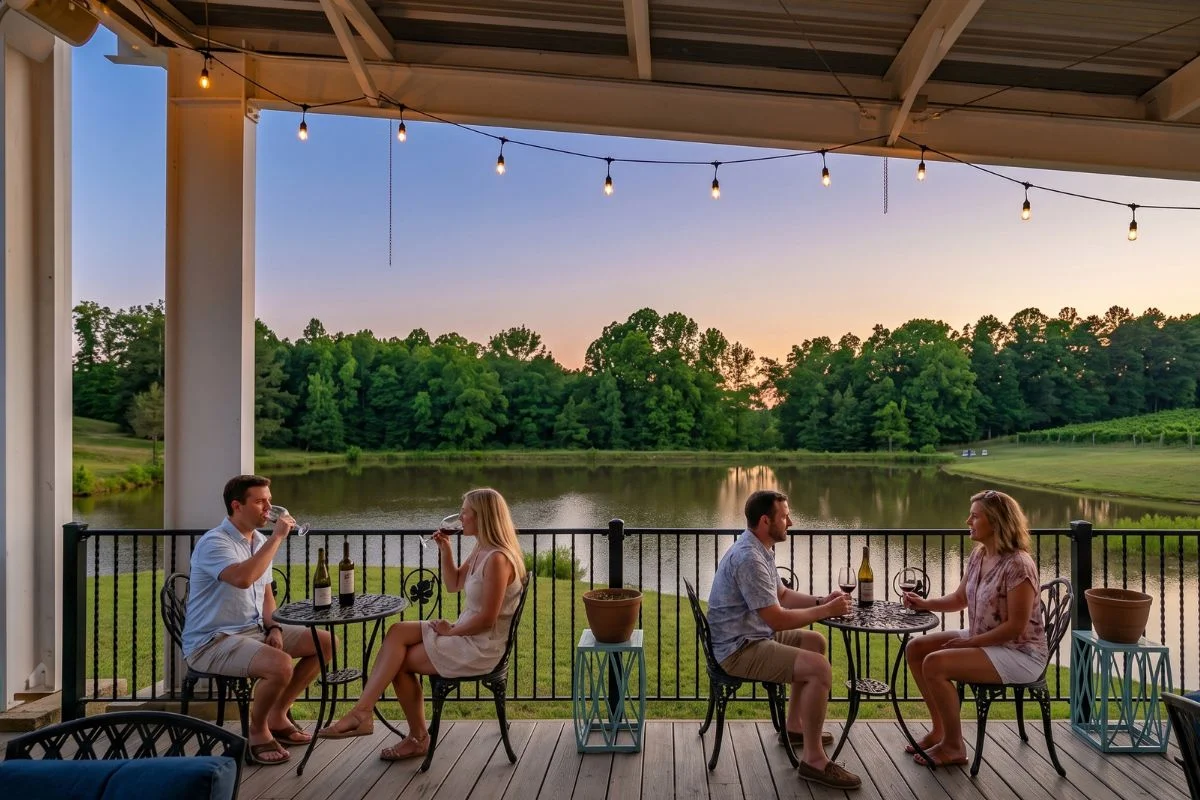
Accent Cellars is the easiest winery to pair with downtown Dahlonega. Its tasting room is about three minutes from the historic center, with a spacious lawn and deck. The atmosphere is casual, and the winery offers a broad range of styles rather than trying to fit every bottle into one narrow regional profile.
Accent is also the most useful place to understand the difference between a winery and an estate vineyard. The team sources grapes from Georgia and other growing regions, then focuses on winemaking in Dahlonega. Because the fruit is not limited to the Dahlonega Plateau, the winery can work with varieties and styles that would not all qualify for the local AVA designation.
That does not make the experience less legitimate. It makes it different. Choose Accent if: you care more about creative winemaking, easy access from town, and a relaxed tasting-room afternoon than walking through rows of estate vines. It is also convenient if the rest of your day is centered on the Public Square.
Winery versus vineyard: which experience do you actually want?
A winery is where wine is made. A vineyard is where grapes are grown. They are often on the same property, but they do not have to be. That distinction is especially useful in Dahlonega because you can choose between estate properties where the vines are central to the visit and a winery such as Accent Cellars that intentionally sources fruit from multiple regions.
Choose an estate-vineyard experience if you want the full visual connection among slope, soil, vines, harvest, and bottle. Kaya, Wolf Mountain, Three Sisters, Frogtown, and Doghobble are especially good for that sense of place. Ask what is currently estate-grown or labeled Dahlonega Plateau if the local origin matters to you.
Choose a winery-focused experience if you are more interested in the winemaker's choices, a broader range of grape sources, or convenience. Neither model is inherently better. They simply answer different questions. Estate vineyards show you what this growing region can produce, while source-flexible wineries can show what a local winemaker does with fruit from several regions.
Downtown tasting rooms are a different kind of wine day
Dahlonega's rural wineries require a car, but the historic downtown has multiple tasting rooms within a walkable district. That creates a useful alternative for travelers who want to sample wine without building the whole day around vineyard drives.
The tradeoff is scenery and agricultural context. A downtown tasting room can be convenient before dinner or while browsing the Square, but it will not give you the same experience as sitting above estate vines at Kaya or walking into a working farm winery. If this is your first trip and wine is a major priority, try to include at least one true vineyard property, then use downtown tasting rooms as a second, more flexible experience.
The Dahlonega-Lumpkin County Visitors Bureau winery directory is a practical place to check the current mix of wineries and tasting rooms before your trip.
How many Dahlonega wineries should you visit in one day?
Two wineries make a comfortable day for most visitors. Three can work if you start early, keep tastings focused, and choose properties that make geographic sense together. Once you add a full lunch, a structured tasting, or a long stop for mountain views, trying to collect four or five wineries usually turns a relaxed day into a schedule.
If food is part of the plan, give Montaluce or Wolf Mountain more time than a simple tasting stop. Frogtown and Doghobble can also cover both food and wine when their current food service lines up with your visit. If you are coming with a group, call or reserve ahead where requested. Group thresholds and seating rules vary substantially from one property to another.
Most important, do not build a multi-winery day around one person continuing to taste and drive. Use a designated driver or arrange transportation if your group plans to sample at several stops. Transportation companies, shuttle choices, pickup logistics, and route planning deserve their own guide; for this article, the key point is that the wineries are spread across rural roads rather than clustered around one walkable strip.
Weekends are generally the busiest time to visit, especially when good weather, fall color, or special events draw more people to the mountains. An earlier arrival can make the first tasting calmer. Always check official winery sites for current hours, reservations, event closures, age policies, and food availability before leaving downtown.
Plan a longer Georgia road trip
Georgia Small-Town Road Trip Guide
If Dahlonega is one stop on a larger trip, use our Georgia guide to connect wine country with more small towns, local stops, and road-trip ideas around the state.
Explore the Georgia GuideWhich Dahlonega winery should you choose?
If the trip is mainly about mountain scenery, start with Kaya. If a memorable meal is the deciding factor, Montaluce is the clearest fit. For a couples outing with a polished winery-and-dining feel, Wolf Mountain stands out. For a first wine-country visit that feels approachable and rooted in a family farm, Three Sisters is hard to beat.
Travelers who want to focus more seriously on the wine should look at Frogtown. Those drawn to a homey rustic atmosphere will likely prefer Cavender Creek. Doghobble is especially useful for a casual group or family that wants a working-farm setting, while Accent is the smart choice when proximity to downtown and creative winemaking matter more than estate vineyard scenery.
The best Dahlonega wine day does not require visiting every property. Pick two wineries that give you different experiences, leave enough time to enjoy the setting, and pay attention to which bottles actually carry the Dahlonega Plateau name. That approach tells you more about the region than racing from one tasting bar to the next.
Wine country is only one part of the destination. If you are building a broader trip around the historic Square, gold-rush sites, mountain scenery, and local food, start with our 21 best things to do in Dahlonega, Georgia and decide where a winery afternoon fits naturally.